"Days turned into missions."
That is how someone living just outside Asheville described the aftermath of Hurricane Helene, in a post on r/preppers. Then they gave three examples, word for word:
"Today we're going out to look for water refills..."
"Today we're getting groceries and ice...."
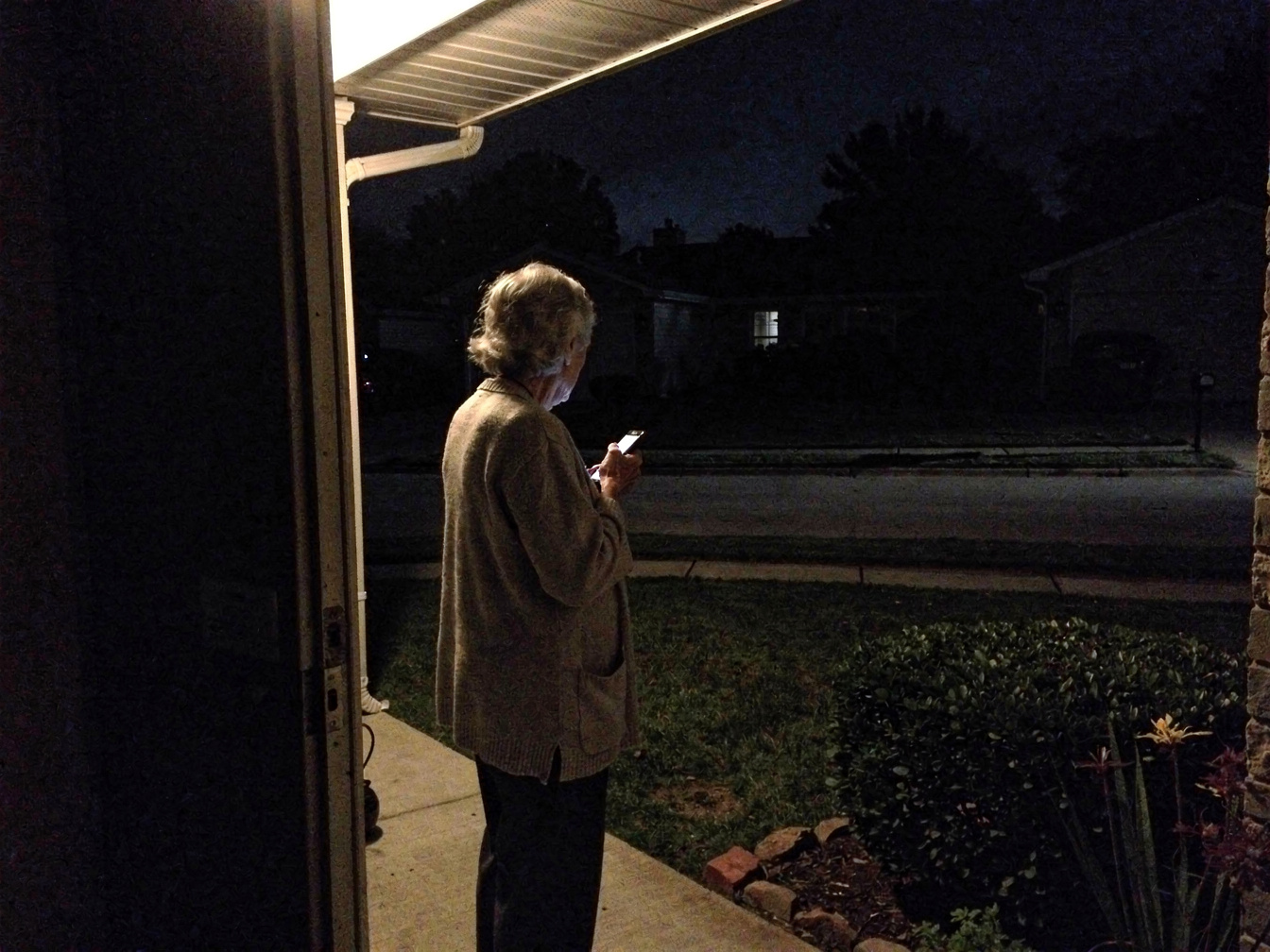
"Today we're going to go check on Julie and then go sit outside the library where they say there's wifi signal so we can email our parents and let them know we're OK."
The writer calls their preps "medium level". They garden, hunt for game meat, and can meals and vegetables. They had a couple of chest freezers, a few shelves of canned food and dry beans, a packed go-bag, wilderness first aid training and water filtration gear. They kept the freezers closed and had a temperature probe. The freezers took about three or four days to go from five below zero to thirty two degrees.
The power went out on a Wednesday night. It came back on seventeen days later.
"Cell service was gone for almost that long, which I think no one predicted."
The writer had no battery powered radio before the event, so for the daily briefing they sat in the car. A generator came after about a week, when the food began to spoil.
Seventeen days, in one household.
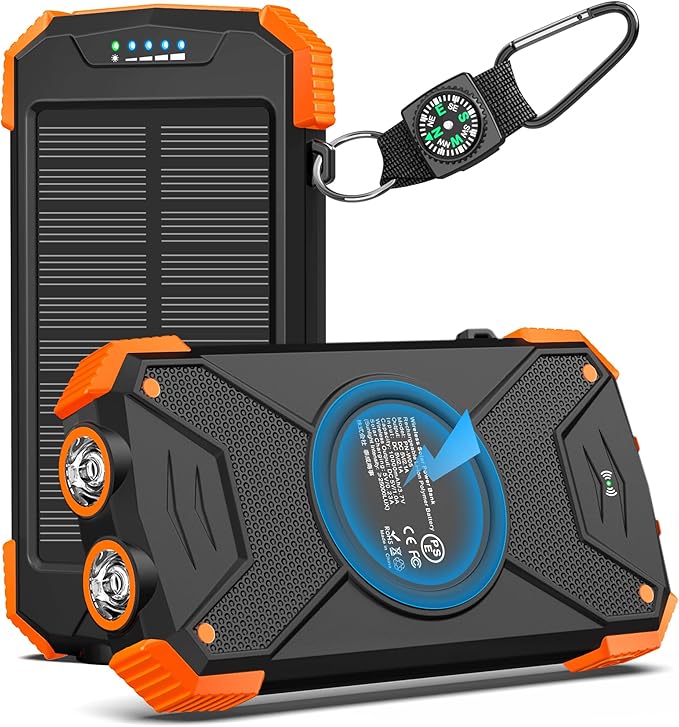
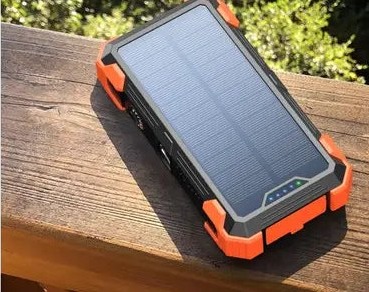
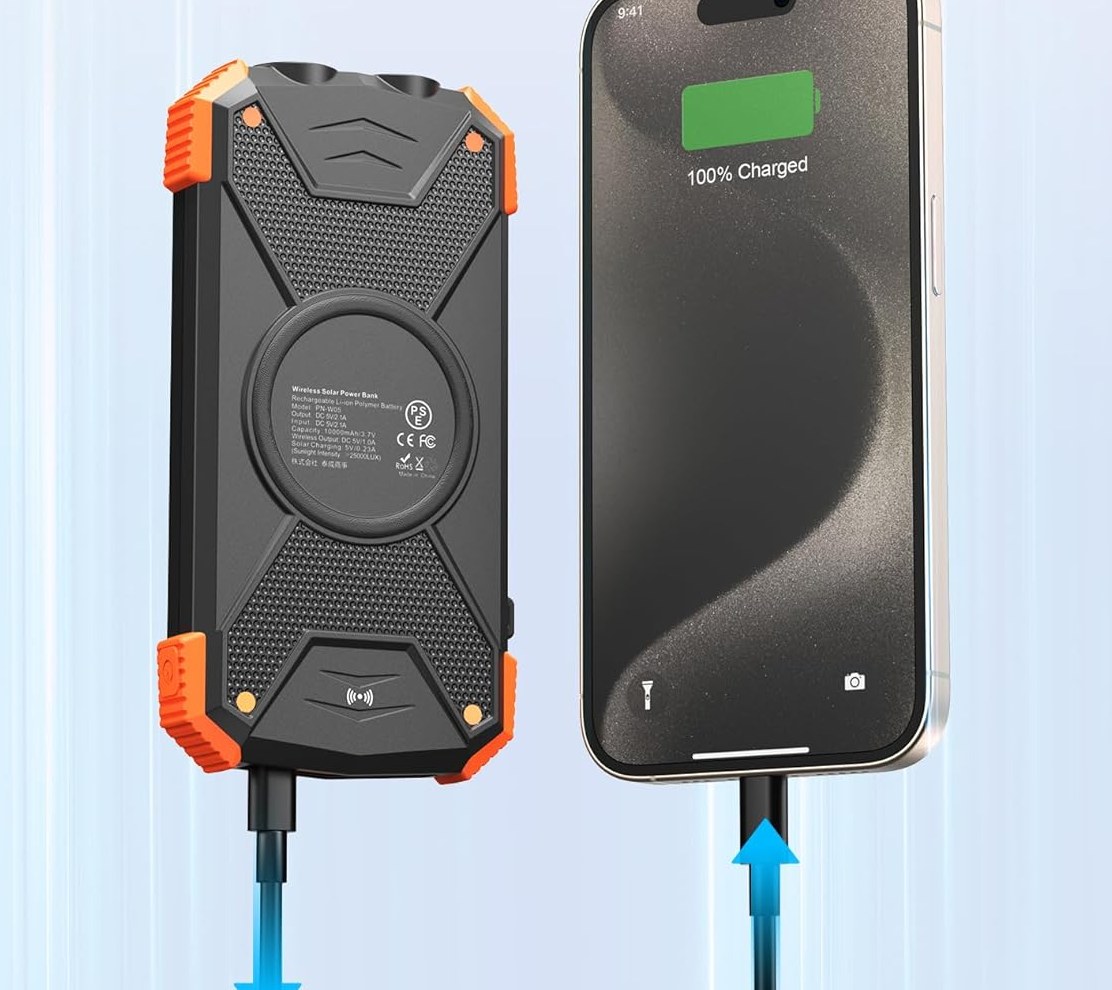
A charged power bank works on day one. The question is day four.
The federal count of the towers is next.
Nobody plans for the real number
The government's own checklist, on Ready.gov, says you "may need to survive on your own for several days." The household above needed seventeen.
Here is the FCC's own count from the last time a large piece of America lost its grid.
On 28 September 2024, thirty four hours after Hurricane Helene came ashore, 1,079 of the 1,452 cell sites in the twenty one western North Carolina counties the FCC was tracking were out of service. Seventy four percent.
Ten days after landfall it was still 16.9%. Nineteen days after landfall, the FCC's daily report still listed 17.8% of Buncombe County's sites out and 40.9% of Yancey County's.
Another writer, five days into a different blackout, listed their mistakes. Number two:
"Mistake #2 was not having a backup for cell/data service. Cell towers were either knocked out or totally overwhelmed for the first 2 days of the outage. I couldn't contact my wife (who was at work) immediately after the storm at all. Zero service for the first 24 hours, very spotty service for the next 2-3 days."
r/preppers, five days into a blackout
So when towers go down, they can stay down for weeks. Here is something that changes what "no towers" actually means.
Why the phone is worth keeping alive at all
One thing worth knowing about the phone you already own.
An iPhone 14 or later on iOS 18 sends and receives ordinary texts, to ordinary contacts, over iMessage and SMS, with no cell tower involved at all. Apple calls it Messages via satellite. It shipped on 16 September 2024, ten days before Helene made landfall.
The limits are strict and worth having straight. You have to be outside with a clear view of the sky and the horizon. It is a text, not a call, to one person. In ideal conditions a message might take thirty seconds; under light foliage, over a minute; under heavy cover, not at all. It is free for two years from the day the phone was activated. The iMessage half works on any carrier, the SMS half depends on yours. It works in the United States, Canada, Mexico and Japan.
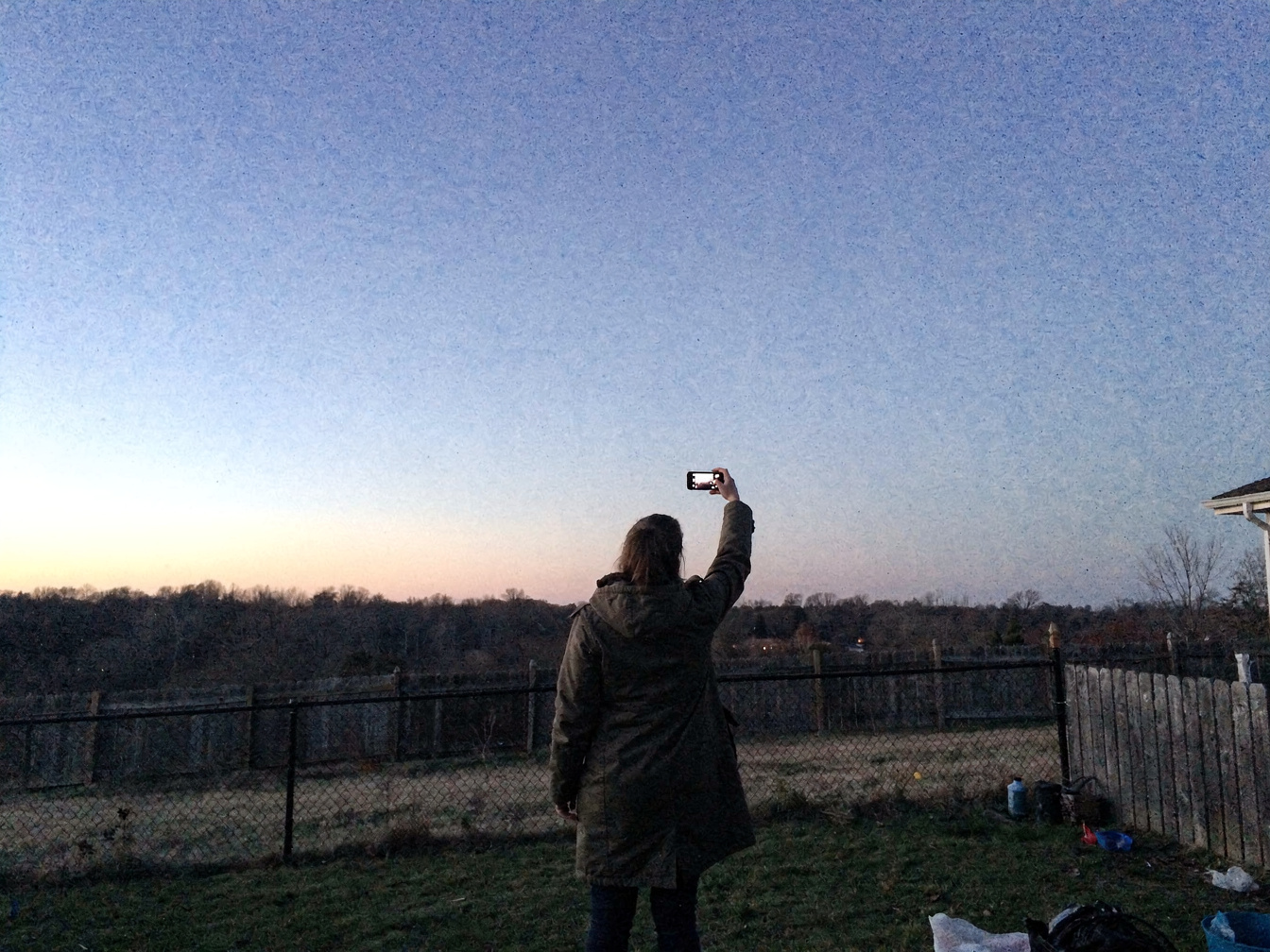
Apple's own footnote says it should not be used in emergencies, and points you to Emergency SOS via satellite instead. That is not a contradiction. There are two features on the same phone. One texts emergency services, one texts your wife. Both need open sky, and both need a phone that is still on.
Which is the point. The hard part is already in your pocket. The part that runs out is the battery.